Connect with us

Fitness & Exercise

Top 10 Beginner Workouts That Actually Work

Published

on

Embarking on a fitness journey can be both exciting and intimidating, especially for beginners who may be unsure where to start. With so many workout options out there, it’s easy to feel overwhelmed by the sheer variety of routines that promise results. However, not all workouts are created equal, and beginners need a structured approach to build a solid foundation. The key to success lies in finding simple yet effective exercises that not only engage multiple muscle groups but also set you up for long-term success.

Whether you’re looking to build strength, improve endurance, or simply become more active, the following ten beginner-friendly workouts are designed to provide real results. These exercises are both accessible and effective, making them the perfect starting point for anyone looking to get into shape without feeling overwhelmed.

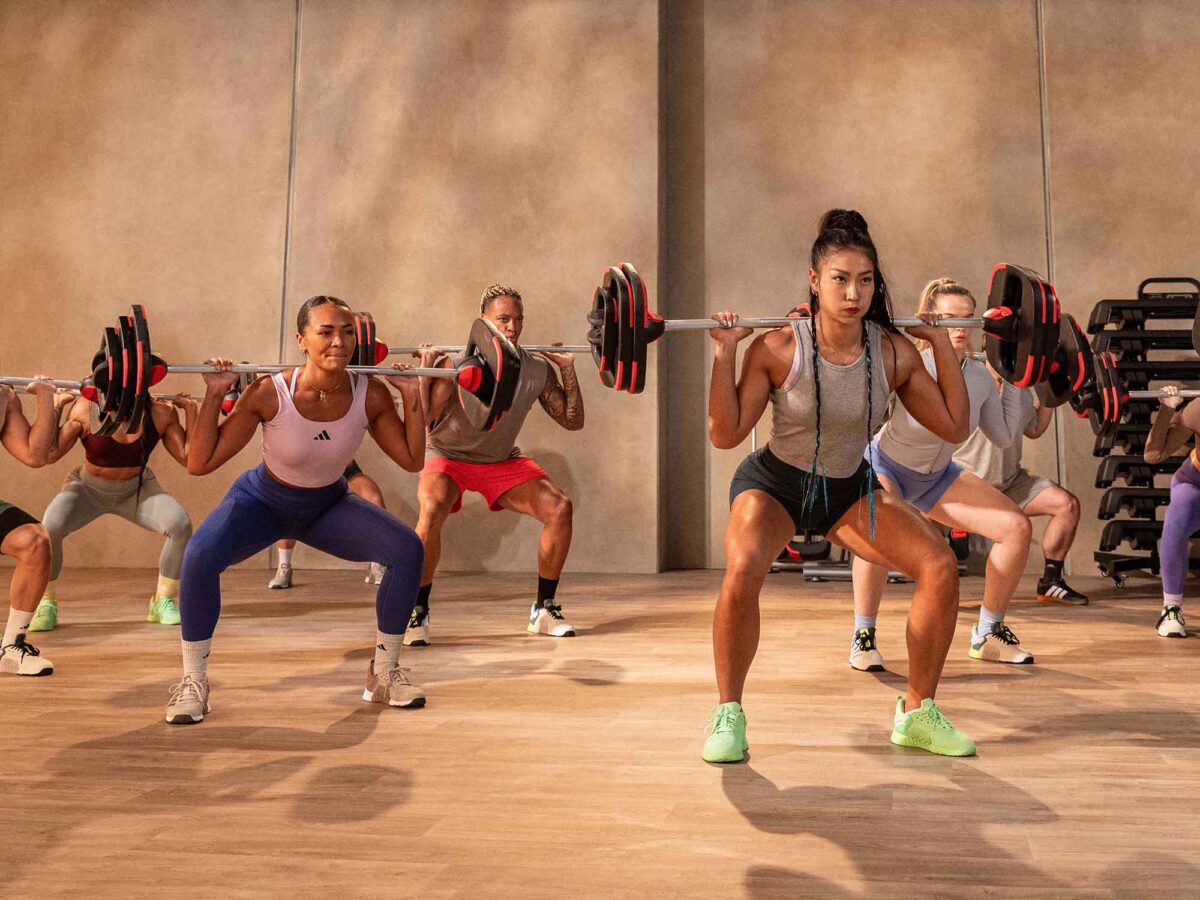
1. Bodyweight Squats: A Foundation for Leg Strength

The squat is a fundamental movement that targets your legs, glutes, and core. It’s a brilliant way for beginners to develop lower body strength and stability, which is essential for performing other exercises and daily activities.

To perform a bodyweight squat:

  • Stand with your feet shoulder-width apart.

  • Lower your body by pushing your hips back and bending your knees, ensuring your knees don’t extend beyond your toes.

  • Keep your chest lifted and your back straight as you descend, aiming to get your thighs parallel to the ground.

  • Push through your heels to stand back up.

Bodyweight squats are great because they can be done anywhere, without the need for equipment, and they help build strength in the legs, glutes, and lower back. For beginners, aim for 3 sets of 10-12 reps, gradually increasing as you gain strength.

2. Push-Ups: Building Upper Body and Core Strength

The push-up is an iconic exercise that works multiple muscle groups, including the chest, shoulders, triceps, and core. While it may seem challenging at first, push-ups are highly adaptable, making them an excellent option for beginners.

To perform a push-up:

  • Start in a plank position with your hands placed slightly wider than shoulder-width apart.

  • Lower your body towards the ground by bending your elbows, keeping your body in a straight line from head to heels.

  • Push back up to the starting position.

If a traditional push-up is too difficult, modify by performing them on your knees or against a wall. As you progress, you can gradually transition to standard push-ups. Start with 2-3 sets of 8-10 reps and increase as you get stronger.

3. Planks: Strengthening the Core

Core strength is vital for overall stability, balance, and posture. The plank is one of the most effective exercises for strengthening the core and improving endurance. It also works the shoulders, back, and glutes.

To perform a plank:

  • Start in a forearm plank position, ensuring your elbows are directly under your shoulders.

  • Keep your body in a straight line from your head to your heels, engaging your core and avoiding sagging in the lower back.

  • Hold this position for as long as you can, aiming for 20-30 seconds to start.

Planks are excellent because they help build core endurance and stability, which is essential for preventing injuries in other exercises. As you gain strength, you can increase the time you hold the position or progress to more advanced variations like side planks.

4. Walking: Low-Impact Cardiovascular Exercise

For those new to fitness or returning after a long break, walking is an excellent cardiovascular exercise that doesn’t place stress on the joints. It’s simple, accessible, and highly effective for boosting heart health and burning calories.

To incorporate walking into your routine:

  • Aim for brisk 30-minute walks, either outdoors or on a treadmill, 3-5 times per week.

  • Focus on maintaining good posture: keep your back straight, shoulders relaxed, and engage your core.

  • If possible, vary your route to include gentle inclines to increase intensity.

Walking not only improves cardiovascular health but also helps with weight management, mental well-being, and overall mobility. It’s the perfect entry-level workout that can be easily scaled up as you become more comfortable.

5. Glute Bridges: Targeting the Glutes and Lower Back

The glute bridge is an essential exercise for strengthening the glutes, hamstrings, and lower back. It helps improve posture and lower body strength, making it a great addition to any beginner workout routine.

To perform a glute bridge:

  • Lie on your back with your knees bent and feet flat on the floor, hip-width apart.

  • Push through your heels to lift your hips towards the ceiling, squeezing your glutes at the top.

  • Lower your hips back down to the floor.

Glute bridges are effective for targeting the posterior chain, which plays a crucial role in maintaining good posture and preventing lower back pain. Start with 3 sets of 12-15 reps, gradually increasing as your strength improves.

6. Lunges: Building Balance and Leg Strength

Lunges are another fantastic lower body exercise that targets the quads, hamstrings, and glutes while improving balance and stability. They can be done without any equipment, making them a perfect bodyweight exercise for beginners.

To perform a lunge:

  • Stand with your feet hip-width apart.

  • Take a step forward with one leg, lowering your hips until both knees are bent at about 90 degrees.

  • Push off your front foot to return to the starting position.

  • Repeat with the other leg.

Lunges not only work the legs but also engage the core and improve coordination. For beginners, start with 2-3 sets of 8-10 reps per leg, gradually increasing as you build strength and confidence.

7. Mountain Climbers: A Full-Body Cardio Workout

Mountain climbers are a dynamic exercise that combines core strengthening with cardiovascular benefits. They work the upper body, core, and legs while also improving coordination and agility.

To perform mountain climbers:

  • Start in a plank position, with your hands directly under your shoulders and your body in a straight line.

  • Bring one knee toward your chest, then quickly switch legs, alternating back and forth as fast as possible.

  • Keep your core engaged and maintain a steady pace.

Mountain climbers are great for building endurance and burning calories. They’re also a fantastic exercise for beginners looking to add some intensity to their cardio workouts. Start with 2-3 sets of 20-30 seconds of work, with short rest periods in between.

8. Step-Ups: Strengthening the Legs and Glutes

Step-ups are a simple yet effective exercise that mimics the motion of climbing stairs. This exercise targets the quads, hamstrings, and glutes while improving balance and coordination.

To perform a step-up:

  • Stand in front of a bench or step, with your feet hip-width apart.

  • Step up with one foot, pressing through the heel to lift your body onto the step.

  • Step down with the same foot and repeat with the other leg.

Step-ups are excellent for building leg strength and functional fitness. You can add dumbbells to increase the intensity as you progress. For beginners, start with 2-3 sets of 10-12 reps per leg.

9. Jumping Jacks: A Classic Cardio Exercise

Jumping jacks are a classic exercise that increases heart rate, improves cardiovascular fitness, and strengthens the entire body. They are simple to do and require no equipment, making them an excellent choice for beginners.

To perform a jumping jack:

  • Start with your feet together and your arms by your sides.

  • Jump your feet out while raising your arms overhead.

  • Jump back to the starting position and repeat.

Jumping jacks are a fun and effective way to add cardio to your routine. They can be easily modified for beginners by performing a low-impact version, where you step side-to-side rather than jumping. Aim for 2-3 sets of 20-30 reps to get started.

10. Bicycle Crunches: Toning the Core

The bicycle crunch is a fantastic exercise for targeting the obliques and overall core. It engages the entire abdominal area, making it an excellent addition to any beginner workout routine.

To perform a bicycle crunch:

  • Lie on your back with your hands behind your head and knees bent.

  • Lift your head, shoulders, and upper back off the floor while bringing one knee toward your chest.

  • Twist your torso to bring the opposite elbow toward the bent knee, extending the other leg straight out.

  • Alternate sides in a controlled, bicycle-like motion.

Bicycle crunches are effective for strengthening the core and improving overall abdominal endurance. Start with 2-3 sets of 12-15 reps per side.

Conclusion

For beginners, the key to success lies in starting with simple, effective exercises that engage multiple muscle groups and help build strength, flexibility, and cardiovascular endurance. The 10 workouts listed above provide a comprehensive foundation for anyone looking to improve their fitness level, whether you’re aiming for weight loss, muscle tone, or general health. Consistency, combined with gradual progression, will lead to noticeable improvements and set you on the path to a more active and healthier lifestyle. Remember, every fitness journey begins with that first step—and these beginner workouts are the perfect starting point.

Continue Reading

Fitness & Exercise

Mental Burnout Recovery Through Yoga Places in Singapore

Published

on

Mental burnout has become a quiet but widespread issue in Singapore. Long working hours, constant connectivity, performance pressure, and limited downtime have pushed many people into a state of chronic mental fatigue. Unlike temporary stress, burnout affects motivation, emotional stability, sleep quality, and even physical health. This is why many individuals now turn to yoga places in Singapore as a structured way to recover mentally, not just relax briefly.

Yoga offers more than movement. When practised intentionally, it becomes a system for nervous system regulation, emotional processing, and mental clarity. Across Singapore, yoga studios are increasingly recognised as safe spaces where overstimulated minds can slow down, reset, and rebuild resilience.

Understanding Mental Burnout in a Singapore Context

Mental burnout often develops gradually. It starts with tiredness and irritability, then progresses into reduced focus, emotional numbness, and a sense of detachment from daily life. In Singapore, common contributors include:

  • High workplace expectations and long office hours

  • Constant digital engagement and screen exposure

  • Limited separation between work and personal time

  • Urban noise, crowds, and commuting stress

  • Pressure to perform socially and professionally

Burnout is not a lack of discipline or motivation. It is a physiological and psychological response to prolonged stress. Yoga addresses this response at its root by calming the nervous system rather than forcing productivity.

How Yoga Supports Mental Burnout Recovery

Yoga works on mental burnout through three primary pathways: breath regulation, mindful movement, and present-moment awareness. Together, these elements reduce stress hormones and restore balance in the nervous system.

Unlike high-intensity workouts, yoga focuses on internal regulation rather than external output. This makes it especially effective for people who feel mentally exhausted but still want to stay active.

Key benefits include:

  • Reduced mental noise and racing thoughts

  • Improved emotional regulation

  • Better sleep quality

  • Enhanced focus and clarity

  • Lower baseline stress levels

These changes support long-term recovery rather than short-lived relief.

Nervous System Reset Through Breath-Based Practices

Mental burnout keeps the nervous system in a constant state of alertness. Yoga uses breath awareness to shift the body from a stress response into a recovery state.

Common breathing approaches used in yoga include:

  • Slow rhythmic breathing to calm the mind

  • Extended exhalations to release tension

  • Gentle breath retention for mental focus

  • Awareness-based breathing to anchor attention

These practices signal safety to the brain, allowing mental fatigue to ease naturally. Over time, regular breathwork helps individuals respond to stress more calmly outside the studio as well.

Movement Without Mental Pressure

Burnout recovery requires movement that restores energy rather than drains it. Yoga achieves this by focusing on intentional, low-pressure movement.

In Singapore yoga studios, burnout-focused sessions often include:

  • Slow, flowing sequences that reduce mental load

  • Grounded postures that promote stability

  • Repetitive movements that encourage mental ease

  • Minimal performance expectations

This approach allows the mind to rest while the body remains gently active, which is ideal for people recovering from mental exhaustion.

Releasing Stored Mental Tension in the Body

Mental stress often manifests physically. Tight shoulders, clenched jaws, stiff hips, and shallow breathing are common signs. Yoga helps release these patterns through mindful movement and sustained poses.

As physical tension releases, mental clarity often improves. This connection between body and mind is one of yoga’s strongest tools for burnout recovery.

Emotional Processing in a Safe Environment

Burnout often suppresses emotions rather than resolving them. Yoga creates space for emotional awareness without judgment or pressure.

During slower practices, participants may experience:

  • Emotional release through breath and movement

  • Increased self-awareness

  • Improved emotional stability

  • Greater self-compassion

This emotional processing helps individuals reconnect with themselves, which is often lost during prolonged stress.

Improving Sleep Quality Through Yoga

Sleep disruption is a major symptom of mental burnout. Racing thoughts, irregular sleep patterns, and difficulty relaxing are common complaints in Singapore’s fast-paced lifestyle.

Yoga supports better sleep by:

  • Reducing evening stress levels

  • Slowing heart rate and breathing

  • Releasing physical tension before rest

  • Training the mind to disengage from constant thinking

Many practitioners report deeper, more consistent sleep after integrating yoga into their routine, which significantly accelerates burnout recovery.

Mindfulness as a Daily Coping Tool

One of yoga’s greatest benefits is its impact beyond the mat. Mindfulness developed during practice often carries into daily life.

This includes:

  • Increased awareness of stress triggers

  • Better emotional boundaries at work

  • Improved focus during tasks

  • Reduced reactivity in challenging situations

Rather than avoiding stress entirely, yoga helps individuals relate to it differently, which is essential for long-term mental wellbeing in Singapore’s demanding environment.

Community Support and Psychological Safety

Mental burnout often feels isolating. Yoga studios provide a sense of community without pressure to socialise excessively.

Benefits of studio environments include:

  • Shared experiences without forced interaction

  • Non-competitive, supportive atmospheres

  • Consistent routines that create stability

  • Instructors trained to hold space calmly

Studios such as Yoga Edition emphasise mindful practice and emotional safety, which plays an important role in burnout recovery for many individuals.

Creating Healthy Boundaries Through Practice

Burnout frequently stems from poor boundaries. Yoga helps individuals become more attuned to their limits, both physically and mentally.

Through practice, participants learn to:

  • Respect personal capacity

  • Say no to overexertion

  • Recognise early signs of stress

  • Prioritise recovery without guilt

These skills are essential for preventing burnout relapse.

Long-Term Mental Resilience Through Yoga

Mental burnout recovery does not end when stress levels decrease. Ongoing practice helps build resilience so future stressors have less impact.

Long-term benefits include:

  • Improved emotional endurance

  • Greater mental flexibility

  • Enhanced stress tolerance

  • More balanced lifestyle habits

Yoga becomes a maintenance practice that supports mental health long after burnout symptoms fade.

FAQ

Q: How often should yoga be practised for mental burnout recovery?
A: Practising two to four times a week is effective for many people. Consistency matters more than intensity, especially during recovery.

Q: Is yoga suitable for people experiencing anxiety and burnout together?
A: Yes. Gentle and breath-focused yoga practices are particularly helpful for individuals dealing with both anxiety and burnout.

Q: Can yoga help with work-related emotional exhaustion?
A: Yoga supports emotional regulation, stress reduction, and mental clarity, which directly helps with work-related exhaustion.

Q: Do I need prior yoga experience to use it for burnout recovery?
A: No. Many studios offer accessible practices that focus on awareness rather than physical performance.

Q: How long does it take to feel mentally better with yoga?
A: Some people notice changes within a few sessions, while deeper recovery may take several weeks of regular practice.

Continue Reading

Fitness & Exercise

Heat Adaptive Personal Training Singapore for Peak Performance in a Tropical Climate

Published

on

Training in a tropical country requires a different level of awareness, preparation and strategy. The heat and humidity in Singapore influence everything from your heart rate to your hydration levels and even your muscle recovery. This is why many adults are turning to specialised approaches that help them adapt to the local climate while still reaching their fitness goals. The environment here creates unique physiological demands and a targeted training method can help the body work with the climate instead of fighting against it.

When people begin exploring personal training singapore, many do not realise that heat adaptation is one of the most powerful frameworks that can support endurance, strength and overall performance. Local weather conditions shape how you breathe, sweat, move and cool your body. This makes climate-responsive training an essential component of long-term success. The more the body learns to handle humid conditions, the better the results in strength sessions, conditioning workouts and daily physical activity.

Understanding Heat Stress in Singapore’s Climate

Singapore’s tropical setting creates a consistent level of heat stress that affects the cardiovascular system. When humidity is high, sweat evaporates more slowly and this slows down the body’s natural cooling process. As a result, the heart must work harder to push blood toward the skin surface so the body can release heat. This increased demand can affect performance if a person is not properly conditioned.

Many people assume they must simply tolerate the discomfort, but heat adaptation follows specific physiological principles. With the right approach, the body learns to cool itself more efficiently. You can increase sweat rate consistency, improve plasma volume and stabilise heart rate spikes during intense exercise. These changes support better training outcomes and reduce the risk of fatigue or overheating.

Why Heat Adaptive Training Works in Singapore

Heat adaptation is not a short-term trick. It is a structured process that gradually teaches the body to handle thermal stress. When designed properly, this method improves aerobic capacity, muscular control, hydration balance and even focus during workouts. It prepares the body for everyday movement in Singapore, from long outdoor walks to weekend sports and even indoor training sessions where humidity still plays a role.

Key reasons it works

  • The body learns to regulate temperature more efficiently

  • Core temperature rises more slowly during exercise

  • Heart rate stabilises at lower levels during high-intensity movements

  • Electrolyte loss becomes more predictable and easier to manage

  • Sweat becomes more diluted which supports better hydration control

  • Recovery improves because the body is less shocked by heat exposure

These changes do not happen overnight. They require a structured plan built around the individual’s fitness level, body composition, hydration habits and lifestyle patterns.

Hydration Protocols for Tropical Training

Hydration is not just about drinking more water. In a country like Singapore, hydration becomes a full strategy that includes fluid timing, electrolyte replacement and sweat rate tracking. Individuals who train without a solid hydration plan often face early fatigue, dizziness or a drop in performance.

A strong hydration plan includes

  • Pre-session hydration one to two hours before training

  • Small but frequent sips during sessions

  • Electrolyte replenishment depending on sweat volume

  • Post-session hydration paired with salt balance

  • Observation of urine colour and frequency for hydration feedback

Hydration needs vary widely and many people underestimate how rapidly they lose fluids. A climate-based plan helps the body maintain performance across different kinds of training days, especially high-intensity intervals or extended conditioning.

Strength Training Adjustments for Hot Weather

Strength training in tropical conditions requires smarter load management. The body warms up much faster in humid environments, which means warm-ups can be shorter yet still effective. However, fatigue also sets in earlier if intensity is not monitored well.

What changes in strength training

  • Slightly longer rest intervals help maintain quality

  • Temperature-aware tempo training reduces overheating

  • Lower rep ranges may be used on high-humidity days

  • Functional movements improve heat tolerance

  • Breathing techniques help control internal heat buildup

Good programming avoids hitting the same thermal stress patterns every week. Instead, it creates variation so the body can adapt without being overwhelmed.

Conditioning and Endurance Training in a Tropical Climate

Endurance workouts in Singapore demand pacing strategies that respect the temperature. Running outdoors, cycling, brisk walking or stair-climbing all feel more intense under the sun. People who use the same approach as they would in a cooler climate often experience early burnout.

Smart conditioning strategies include

  • Starting workouts at lower intensity and building up

  • Using shaded routes or early morning timings

  • Monitoring perceived exertion rather than forcing pace

  • Training with consistent cadence instead of chasing speed

  • Allowing the heart rate to guide intervals

Endurance growth happens when the body is challenged but not overwhelmed. Heat layering techniques, where exposure is gradually increased, help build cardiovascular resilience.

Indoor Versus Outdoor Training in Singapore

Indoor gyms reduce sun exposure but do not eliminate humidity entirely. Even air-conditioned spaces have varying humidity levels which can influence breathing and performance. Many people mistakenly assume indoor training does not require heat adaptation, but humidity can still elevate thermal load.

Outdoor sessions, on the other hand, offer a stronger adaptation effect. The key is knowing when and how to combine both environments. A balanced programme might include indoor lifting, outdoor walking intervals and occasional heat-intentional conditioning sessions.

Nutrition Strategies for Tropical Exercise Patterns

Nutrition influences heat tolerance more than most people realise. Carbohydrate availability, electrolyte balance and micronutrient intake all affect your ability to perform in humid conditions. Singapore’s food culture also includes many high-sodium and spicy dishes that can be both helpful and challenging for training.

Helpful nutritional habits

  • Consistent carbohydrate intake for high-intensity sessions

  • Sodium balance for people who sweat heavily

  • Foods rich in potassium and magnesium

  • Light, easy-to-digest meals on humid days

  • Adequate protein for muscular repair

Nutrition becomes a vital part of heat adaptive training, supporting energy levels and recovery.

Long-Term Benefits of Heat Adaptive Training

Once the body becomes more efficient at managing heat, people experience a noticeable upgrade in physical capacity. They handle tougher workouts with greater ease and feel more comfortable during outdoor activities. Energy levels throughout the day also improve because the cardiovascular system is no longer under unnecessary stress.

These benefits extend well beyond fitness. Better heat tolerance enhances lifestyle comfort, workplace productivity and overall mood. People who are well adapted often say they feel more stable during stressful days and more capable during longer errands or commutes.

How Personal Trainers Build Climate-Specific Programmes

A professional builds a personalised plan that matches the individual’s body type, fitness level and schedule. They observe heat responses, hydration habits, breathing patterns and recovery needs to design a plan that gradually strengthens the body’s ability to handle tough workouts.

Programming typically includes

  • Progressive heat exposure

  • Climate aware strength blocks

  • Conditioning sessions paced to heart rate response

  • Hydration routines integrated into the week

  • Recovery protocols such as cooling drills or breath control

This creates a long-term pathway that helps individuals thrive in Singapore’s weather rather than struggling through it.

Choosing a Training Environment in Singapore

Some people do best with air-conditioned indoor sessions while others benefit from a mix of both indoor and outdoor environments. The choice depends on current heat tolerance, fitness goals and lifestyle. Individuals who want to improve overall resilience may gradually shift toward a hybrid model.

In recent years, many adults choose coaching support to help them personalise this balance. Trainers refine the environment, timing and intensity so performance increases steadily without unnecessary fatigue. Those who have fitness goals that require outdoor readiness, such as sports or travelling to warm climates, see especially strong results.

As people customise their approach, some eventually upgrade to full climate-responsive training programmes guided by professionals. The growth in structured methods has made Singapore one of the most advanced countries in tropical adaptation fitness. This development is reflected in the attention to detail offered by facilities such as True Fitness Singapore where personalised methods continue to evolve.

FAQ

Q1. How long does it take to adapt to tropical training conditions?

Most people show noticeable improvements in one to two weeks of structured exposure. Full adaptation can take three to eight weeks depending on fitness level and session frequency.

Q2. Is heat adaptive training suitable for beginners?

Yes, but the progression must be slower. Early training focuses on hydration habits, breathing control and gentle conditioning before intensity increases.

Q3. Do I need special equipment for heat adaptation?

No special equipment is required. However, heart rate monitoring, electrolyte tablets and cooling towels can improve safety and comfort.

Q4. Can older adults benefit from this type of training?

Older adults often benefit the most. Heat tolerance tends to decrease with age and structured training helps improve circulation, hydration response and cardiovascular stability.

Q5. Should I train outdoors daily to improve heat tolerance?

Not daily. Overexposure causes fatigue. A balanced plan uses both indoor and outdoor sessions and gradually increases outdoor intensity.

Continue Reading

Fitness & Exercise

Precision Fitness in Singapore: How Data-Driven Classes Are Personalising Every Workout

Published

on

The world of fitness has entered a new era, one where data and technology shape how people train, track progress, and recover. In Singapore, the evolution of fitness classes Singapore reflects this modern transformation. These classes are no longer designed around one-size-fits-all routines. Instead, they use advanced analytics, smart wearables, and instructor insights to create deeply personalised training experiences that suit individual goals, fitness levels, and lifestyles.

The Rise of Data-Driven Fitness Culture

Singapore has long been known for its innovation and tech-savvy population, and this extends to the fitness industry. With the integration of data tracking and performance analytics, gyms are transforming into intelligent environments where every heartbeat, step, and calorie burn can be monitored and optimised. This personalised approach ensures that workouts are efficient, measurable, and sustainable.

Data-driven fitness is built on three key pillars:

  • Measurement: Collecting real-time data through wearables and smart equipment.

  • Analysis: Using algorithms and trainer insights to interpret that data.

  • Adjustment: Adapting training programmes to align with progress, recovery, and goals.

This feedback loop allows trainers and participants to make precise decisions that lead to faster and safer results.

How Personalisation Enhances Results

Traditional group classes often struggle to accommodate individual differences. What challenges one participant may feel too easy for another. In contrast, modern precision fitness classes use data to eliminate this imbalance. Participants can track their heart rate zones, calorie burn, and effort levels in real time, ensuring that each person trains at the correct intensity for their unique body.

This personalisation helps in multiple ways:

  • Prevents undertraining or overtraining.

  • Maximises calorie efficiency.

  • Aligns each workout with specific fitness goals such as endurance, fat loss, or muscle toning.

  • Enhances motivation by providing visible progress data.

Through consistent monitoring, trainers can modify class intensity, adjust recovery intervals, or suggest targeted improvements for every participant.

The Role of Wearable Technology

Singapore’s fitness ecosystem has embraced wearables as essential tools for performance tracking. Devices like smartwatches and heart rate monitors capture a wide range of data including pulse rate, oxygen saturation, and energy expenditure. The collected data syncs with mobile apps, giving users detailed insights into their workout efficiency.

Some advanced systems even integrate with gym platforms, displaying real-time data on studio screens. This transparency allows participants to gauge how they’re performing relative to others and motivates them to maintain optimal intensity. Beyond physical metrics, wearable devices now also analyse sleep quality, stress levels, and recovery readiness, creating a 360-degree view of health.

Inside a Data-Driven Fitness Class

A typical precision-focused fitness session in Singapore starts with baseline assessment. Trainers gather information about participants’ physical condition, past injuries, and individual targets. Once the session begins, technology takes over. Sensors and smart devices track every movement, feeding data into systems that visualise progress live.

During the session:

  • Participants can see real-time metrics on screens or devices.

  • Trainers adjust exercises based on fatigue, form, or performance indicators.

  • The class uses a combination of strength, cardio, and mobility movements optimised through technology.

Post-session reports are generated instantly, summarising calories burned, average heart rate, and performance improvements. Over time, this data builds a comprehensive profile that helps refine future training plans.

The Science of Data-Based Training

Behind every data-driven fitness programme lies the science of sports analytics. These methods are derived from research in physiology, biomechanics, and performance psychology. For instance, tracking heart rate variability (HRV) helps determine how well the body has recovered from previous workouts. Similarly, motion tracking allows trainers to identify movement inefficiencies and correct form before injuries occur.

By aligning scientific data with personalised programming, these classes make exercise both safer and more effective. Instead of relying on subjective effort, participants now base their progress on measurable physiological responses.

The Role of Trainers in a Data-Centric Environment

While technology enhances accuracy, human expertise remains vital. Trainers interpret the data and translate it into actionable insights. They understand that numbers alone cannot replace intuition and observation. This balance between human connection and digital intelligence defines the success of modern fitness classes.

At facilities like True Fitness Singapore, instructors use performance data to fine-tune routines and recommend recovery sessions when necessary. Their ability to personalise guidance based on data ensures participants achieve results faster without risking injury or burnout.

Motivation Through Measurable Progress

One of the most powerful aspects of data-based training is the psychological impact of visible progress. In traditional classes, improvement can feel abstract. In precision fitness, progress is quantified and displayed, reinforcing motivation. Seeing strength levels rise or recovery time improve provides immediate feedback that encourages consistency.

Gamification also plays a role. Many fitness platforms use achievement badges, scoreboards, or challenge systems to make training more engaging. Participants enjoy the satisfaction of tracking milestones and competing with themselves rather than others.

Integrating Data Into Daily Life

The benefits of data-driven fitness extend beyond the studio. Many participants use collected data to make informed lifestyle choices. For example:

  • Tracking sleep and recovery encourages better bedtime habits.

  • Monitoring step counts promotes active commuting or lunchtime walks.

  • Analysing nutritional balance ensures improved energy levels throughout the day.

This holistic integration of movement, nutrition, and rest transforms fitness from an occasional activity into a continuous lifestyle habit.

Data and Safety: Preventing Overtraining

Overtraining is a common cause of injuries and plateaus in fitness progress. Data analytics help prevent this by identifying warning signs early. If heart rate or recovery metrics indicate excessive stress, trainers can recommend lower-intensity sessions or additional rest days.

This proactive approach ensures long-term participation and reduces physical strain. It also helps athletes and regular participants maintain consistency without setbacks.

How Corporate Wellness Benefits from Data Analytics

Singapore’s corporate sector is increasingly investing in employee wellness programmes that incorporate data-based fitness. Companies recognise that monitoring health metrics can improve productivity and reduce absenteeism. Employees can participate in group challenges, track progress collectively, and receive personalised fitness recommendations.

This approach not only enhances physical health but also fosters teamwork and morale within workplaces. As technology advances, corporate wellness programmes will likely adopt even more integrated fitness-tracking systems.

The Future of Precision Fitness in Singapore

The next stage of precision fitness in Singapore is expected to blend artificial intelligence and predictive analytics. AI-powered fitness platforms will be able to anticipate recovery times, adjust future sessions automatically, and suggest meal plans aligned with workout intensity.

Virtual reality and augmented reality may also play a role in making classes more immersive. With Singapore’s strong digital infrastructure, such innovations will likely become mainstream sooner than in many other regions.

Building a Healthier Future Through Smart Training

The data-driven approach to fitness doesn’t just enhance individual results. It builds a smarter, healthier society. When people understand how their bodies respond to activity, they make informed decisions that prevent long-term health issues. This awareness leads to fewer injuries, better posture, improved cardiovascular health, and stronger mental resilience.

Ultimately, precision fitness empowers people to take ownership of their wellbeing rather than relying solely on external motivation. The fusion of science, technology, and expert coaching ensures that health goals are achievable and sustainable.

FAQs

Q1: Are data-driven fitness classes suitable for beginners?
Yes. Trainers customise data-based routines according to individual fitness levels. Beginners can start slowly and increase intensity as they progress.

Q2: What kind of data is tracked during these classes?
Metrics include heart rate, calories burned, effort levels, recovery rate, and sometimes even breathing patterns, depending on the equipment used.

Q3: Can data tracking help improve specific goals like fat loss or muscle gain?
Definitely. By analysing calorie burn, intensity, and recovery, trainers can adjust routines to target fat reduction, strength building, or endurance enhancement.

Q4: Is data collection safe and private?
Most fitness centres use secure platforms that protect personal data. Participants typically have full control over what metrics are shared or stored.

Q5: Do I need to buy my own wearable device to join a data-driven class?
Not always. Many studios provide smart sensors or compatible devices during class, but bringing your own wearable can enhance personal tracking and consistency.

Precision fitness has transformed how Singapore trains. With smart technology and expert insight, fitness classes Singapore have become far more than physical workouts—they’re personalised systems designed to understand, optimise, and sustain human performance in the most efficient way possible.

Continue Reading

Trending

Copyright © 2025 Healthy Youth - All Rights Reserved.