
Health & Wellness
Why East Cobb Families Prefer Relationship-Based Care Over Traditional Models

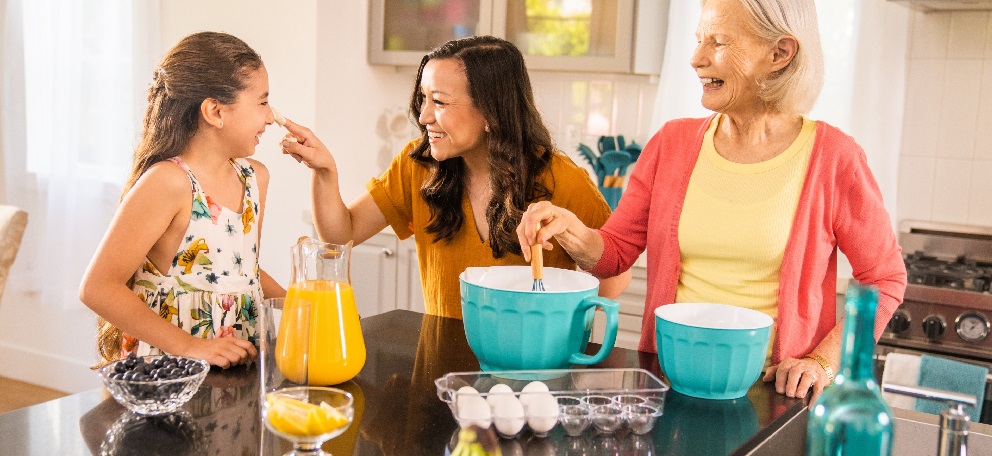
In an era where healthcare systems often feel impersonal and fast-paced, the idea of relationship-based caregiving is redefining what compassionate care means for families. This approach prioritizes trust, emotional connection, and long-term collaboration between clients, families, and caregivers. For many residents in Georgia, Homewatch CareGivers of East Cobb exemplifies this new model by focusing on relationships that extend beyond medical routines—strengthening families and improving quality of life.
The Shift from Transactional to Relational Care
Traditional care models often center on tasks, schedules, and medical compliance. While these elements are necessary, they can sometimes overlook the human experience of aging and healing. Relationship-based care takes a different approach by emphasizing empathy, consistency, and respect. It sees each person not as a case or condition but as an individual with history, preferences, and emotions.
This philosophy recognizes that genuine human connection can accelerate recovery, reduce stress, and promote better health outcomes. Instead of focusing solely on what needs to be done, caregivers build a partnership with the client—listening, adapting, and responding in ways that foster dignity and emotional security.
Why East Cobb Embraces Relationship-Based Care
East Cobb’s community is known for its family-oriented values and strong sense of connection. Many households span multiple generations, and residents often seek services that align with their expectations of trust and familiarity. Relationship-based care naturally fits this environment, combining professional excellence with local sensitivity.
Families here value caregivers who understand the importance of communication, continuity, and cultural awareness. By developing lasting relationships, caregivers become trusted extensions of the family rather than temporary aides.
Building Trust: The Cornerstone of Effective Care
Trust is not built overnight—it’s earned through reliability, respect, and genuine compassion. Relationship-based caregivers take the time to learn about their clients’ lives, routines, and personal stories. This personal investment leads to smoother communication, better compliance with care plans, and greater emotional comfort for seniors.
When caregivers know a client’s favorite music, meal preferences, or life experiences, care transforms from a task list into a meaningful relationship. In East Cobb, this approach resonates deeply with families seeking long-term care that feels both professional and personal.
Continuity of Care and Emotional Stability
One of the greatest challenges in home care is turnover. Frequent caregiver changes can disrupt trust and create anxiety for clients, especially older adults managing memory-related conditions. Relationship-based models prioritize continuity—assigning consistent caregivers who remain with families over time.
This stability builds familiarity, reduces confusion, and allows caregivers to anticipate needs more effectively. Over time, caregivers become companions and confidants, creating a nurturing environment that promotes emotional health alongside physical well-being.
The Science Behind Emotional Connection and Healing
Research continues to highlight the connection between emotional support and physical recovery. Seniors who feel emotionally connected to their caregivers often exhibit lower stress levels, improved mood, and even stronger immune responses.
Empathy also plays a measurable role in health outcomes. When clients feel seen and valued, they are more likely to participate actively in their care routines, follow medical guidance, and communicate symptoms early. The human bond becomes a form of therapeutic intervention, complementing traditional healthcare services.
The Role of Communication in Relationship-Based Care
Clear and compassionate communication lies at the heart of effective caregiving. Relationship-based models encourage open dialogue not only between caregivers and clients but also with family members and healthcare professionals.
At Homewatch CareGivers of East Cobb, regular updates, progress reports, and family consultations ensure everyone involved understands the evolving needs of the client. This transparency reduces misunderstandings, strengthens collaboration, and provides peace of mind to families.
Respecting Dignity and Individual Choice
Empowerment is central to relationship-based care. Clients are encouraged to make choices about their routines, preferences, and care activities. Whether it’s deciding what to wear, how to spend the day, or which meals to enjoy, maintaining autonomy supports self-esteem and psychological well-being.
Caregivers who respect independence help clients feel in control of their lives. This fosters confidence, prevents feelings of helplessness, and aligns with the East Cobb community’s values of dignity and respect.
Training for Relationship-Driven Excellence
Professional caregivers require both technical skill and emotional intelligence. The best caregiving teams receive training not only in safety and health management but also in communication, empathy, and cultural sensitivity.
Relationship-based training teaches caregivers to observe subtle cues—tone of voice, facial expressions, and behavioral changes—that reveal shifts in physical or emotional health. This proactive awareness allows early intervention and helps prevent complications.
Supporting Families Through Partnership
Relationship-based care doesn’t just serve the client; it also supports the family. Caregivers often become trusted advisors who guide families through complex decisions about long-term care, medical transitions, and emotional challenges.
By forming strong partnerships with families, caregivers create a unified care environment where everyone feels involved and informed. This shared understanding strengthens family bonds while reducing the stress often associated with caregiving responsibilities.
The Broader Impact on East Cobb’s Community Health
The benefits of relationship-based care extend beyond individual households. When families experience stability, seniors remain healthier and more connected, contributing to a stronger sense of community well-being.
As East Cobb continues to grow, the demand for compassionate, relationship-centered caregiving will shape the future of local healthcare. By focusing on connection rather than transaction, the community sets a model for sustainable, human-driven care that prioritizes empathy as much as efficiency.
FAQs
Q: What makes relationship-based care different from traditional caregiving?
A: Relationship-based care focuses on building trust, emotional connection, and long-term partnerships with clients, while traditional care often centers on completing daily tasks without deeper engagement.
Q: Why is continuity important for seniors receiving care?
A: Consistency reduces anxiety, promotes emotional stability, and allows caregivers to anticipate needs accurately, creating a sense of security for seniors.
Q: How does relationship-based care improve health outcomes?
A: Emotional support enhances communication, encourages healthy routines, and reduces stress, all of which contribute to faster recovery and better long-term health.
Q: Can families still be involved when using professional caregiving services?
A: Yes, families remain central to decision-making. Caregivers provide collaboration and updates to ensure the family stays informed and engaged.
Q: How do caregivers balance professionalism with emotional connection?
A: Through training and empathy. Caregivers maintain professional boundaries while offering genuine compassion and understanding that build trust over time.
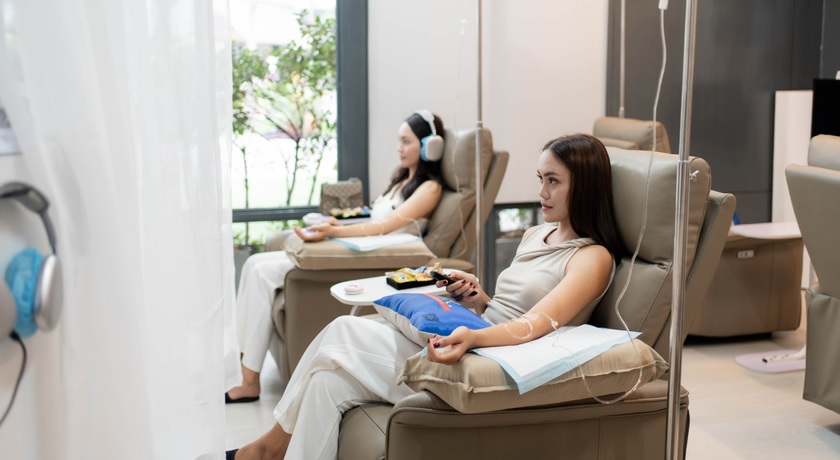
Travel and heat take a toll on your body. Long flights, busy days, and warm weather leave many people tired, dehydrated, and low on energy. In Thailand, where humidity runs high and days can stretch long, recovery matters. An IV lounge in Patong offers one way to help your body reset and feel steady again.
Patong sits on the west coast of Phuket. It draws visitors from across the globe, and the pace here can wear you down. Late nights, sun exposure, and physical activity drain your fluids and minerals fast. Many wellness spaces now offer intravenous drips that deliver hydration and nutrients directly into the bloodstream. A visit to an IV lounge in Patong gives your system fast support when food and water alone fall short.
Intravenous therapy is not new. Hospitals have used it for decades. What has changed is access. Today, a well-run IV lounge in Patong makes this care available in a calm, comfortable setting. Trained staff assess your needs, check your health, and then set up a drip suited to you. The process is simple, and sessions usually last between thirty and sixty minutes.
What IV Therapy Can Support
People choose IV drips for many reasons. Some want to recover after a long trip. Others feel run down after a night out. Athletes use it after training in the heat. Common blends include:
- Hydration fluids to restore water and electrolytes
- Vitamin C to support the immune system
- B vitamins to help energy levels
- Minerals such as magnesium and zinc
Each blend targets a specific need. Staff will guide you toward the right choice based on how you feel and what your body lacks.
Why It Suits the Thai Climate
Thailand’s tropical weather makes hydration a daily concern. You lose fluids quickly through sweat, and by the time you feel thirsty, you may already be behind. Tourists often forget to drink enough while exploring temples, beaches, and markets. Locals face the same strain during long working hours outdoors.
IV therapy addresses this directly. Because the fluids enter your bloodstream, your body absorbs them at once. There is no waiting for digestion. This speed makes the treatment useful after heavy heat exposure or physical strain.
What to Expect During a Visit
A typical session starts with a short consultation. Staff review your health and ask about any conditions or medications. They then insert a small needle, usually in the arm, and start the drip. You can rest, read, or simply relax while the fluids flow.
Most people feel little discomfort. After the session, staff remove the needle and share simple advice on food and water. Good facilities keep clean standards and use qualified medical staff. Always check that a licensed professional oversees your treatment.
A Simple Step Toward Recovery
Rest, water, and good food remain the foundation of wellness. IV therapy adds another layer of support when your body needs a quick lift. In a place as active as Patong, that extra help can make your time here more comfortable and your days more enjoyable.
-

 Health News & Research3 years ago
Understanding Medical Breakthroughs Explained Simply
-

 Fitness & Exercise1 year ago
Advanced Strategies for Beginner Workouts to Add to Your Routine
-

 Men's Health2 years ago
The Benefits of Understanding Heart Risk Factors: Real Results for Long-Term Health
-

 Health & Wellness2 years ago
Common Myths About Preventive Care That Save Time
-

 Nutrition & Diet1 year ago
Common Myths About Plant-Based Eating That Actually Work
-

 Women's Health1 year ago
The Science Behind Bone Health That Actually Works
-

 Health News & Research2 years ago
Common Myths About Research Ethics to Try This Year
-

 Men's Health2 years ago
Common Myths About Testosterone Levels, Backed by Science