
Health & Wellness
Feel Refreshed and Recharged at IV Lounge Patong

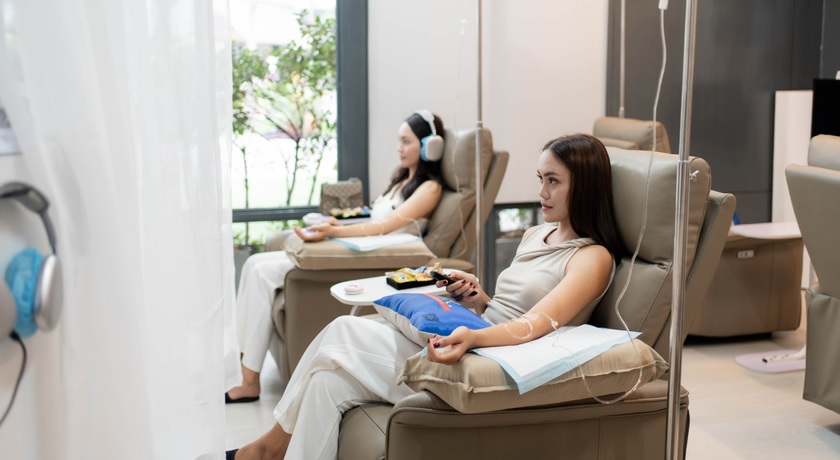
Travel and heat take a toll on your body. Long flights, busy days, and warm weather leave many people tired, dehydrated, and low on energy. In Thailand, where humidity runs high and days can stretch long, recovery matters. An IV lounge in Patong offers one way to help your body reset and feel steady again.
Patong sits on the west coast of Phuket. It draws visitors from across the globe, and the pace here can wear you down. Late nights, sun exposure, and physical activity drain your fluids and minerals fast. Many wellness spaces now offer intravenous drips that deliver hydration and nutrients directly into the bloodstream. A visit to an IV lounge in Patong gives your system fast support when food and water alone fall short.
Intravenous therapy is not new. Hospitals have used it for decades. What has changed is access. Today, a well-run IV lounge in Patong makes this care available in a calm, comfortable setting. Trained staff assess your needs, check your health, and then set up a drip suited to you. The process is simple, and sessions usually last between thirty and sixty minutes.
What IV Therapy Can Support
People choose IV drips for many reasons. Some want to recover after a long trip. Others feel run down after a night out. Athletes use it after training in the heat. Common blends include:
- Hydration fluids to restore water and electrolytes
- Vitamin C to support the immune system
- B vitamins to help energy levels
- Minerals such as magnesium and zinc
Each blend targets a specific need. Staff will guide you toward the right choice based on how you feel and what your body lacks.
Why It Suits the Thai Climate
Thailand’s tropical weather makes hydration a daily concern. You lose fluids quickly through sweat, and by the time you feel thirsty, you may already be behind. Tourists often forget to drink enough while exploring temples, beaches, and markets. Locals face the same strain during long working hours outdoors.
IV therapy addresses this directly. Because the fluids enter your bloodstream, your body absorbs them at once. There is no waiting for digestion. This speed makes the treatment useful after heavy heat exposure or physical strain.
What to Expect During a Visit
A typical session starts with a short consultation. Staff review your health and ask about any conditions or medications. They then insert a small needle, usually in the arm, and start the drip. You can rest, read, or simply relax while the fluids flow.
Most people feel little discomfort. After the session, staff remove the needle and share simple advice on food and water. Good facilities keep clean standards and use qualified medical staff. Always check that a licensed professional oversees your treatment.
A Simple Step Toward Recovery
Rest, water, and good food remain the foundation of wellness. IV therapy adds another layer of support when your body needs a quick lift. In a place as active as Patong, that extra help can make your time here more comfortable and your days more enjoyable.

Starting fertility treatment can feel emotional, practical and confusing all at once. Speaking with an IVF clinic is often the first structured step, but the consultation is much more useful when patients arrive with the right information, realistic questions and a clear understanding of what they want to discuss.
Bring A Clear Medical And Fertility History
A fertility consultation usually begins with understanding the patient or couple’s background. This may include age, menstrual history, previous pregnancies, miscarriages, known medical conditions, surgeries, medications, lifestyle factors and how long pregnancy has been attempted. For male partners, semen analysis and reproductive history may also be relevant.
Bringing previous test results can save time. Hormone tests, ultrasound reports, semen analysis, surgical notes or details from previous fertility treatment may help the doctor build a clearer picture. Even if some results are old, they can still provide useful context and show what has already been investigated.
It is also worth noting any family history or known conditions such as endometriosis, polycystic ovary syndrome, fibroids, thyroid issues or genetic concerns. The aim is not to self-diagnose, but to give the specialist enough information to decide what should be checked next.
Understand That Treatment Plans Are Individual
IVF is often discussed as if it is one standard process, but treatment planning depends on the individual situation. Age, ovarian reserve, sperm quality, previous treatment outcomes, uterine health and wider medical factors can all influence the recommended approach.
Some patients may need further testing before a treatment plan is confirmed. Others may be advised to consider different options depending on the cause of infertility. This can feel frustrating when people want quick answers, but a careful assessment helps avoid moving into treatment without the right information.
A good consultation should explain why certain tests or steps are being recommended. Patients should feel able to ask what each stage is for, what the possible outcomes are, and how the results may change the plan.
Ask Practical Questions As Well As Medical Ones
Fertility treatment affects daily life, not only medical appointments. Patients may need to think about medication schedules, scans, blood tests, egg collection, embryo transfer, recovery time and emotional support. These practical details can make the process feel more manageable once treatment begins.

Useful questions might include how many clinic visits are usually needed, what side effects may occur, how monitoring is handled, and what happens if the body responds differently than expected. It can also help to ask who to contact with urgent concerns during treatment.
Cost, timing and travel logistics should also be discussed clearly. Fertility treatment can involve multiple stages, and patients should understand what is included, what may be extra, and where decisions may need to be made along the way.
Give Yourself Time To Process The Information
A first consultation can bring relief, hope, worry and new questions. It is normal not to remember every detail immediately. Taking notes or bringing someone trusted to the appointment can help, especially if treatment options or test results are being explained.
Patients should avoid feeling pressured to make every decision instantly. Fertility treatment is personal, and the right plan should be understood before it is started. If something is unclear, it is better to ask again than to move forward with uncertainty.
A well-prepared consultation can make the next steps feel less overwhelming. By bringing the right information, asking practical questions and allowing time to understand the advice, patients can approach fertility treatment with more clarity and confidence.
-

 Health News & Research3 years ago
Understanding Medical Breakthroughs Explained Simply
-

 Fitness & Exercise1 year ago
Advanced Strategies for Beginner Workouts to Add to Your Routine
-

 Men's Health2 years ago
The Benefits of Understanding Heart Risk Factors: Real Results for Long-Term Health
-

 Health & Wellness2 years ago
Common Myths About Preventive Care That Save Time
-

 Nutrition & Diet1 year ago
Common Myths About Plant-Based Eating That Actually Work
-

 Women's Health1 year ago
The Science Behind Bone Health That Actually Works
-

 Health News & Research2 years ago
Common Myths About Research Ethics to Try This Year
-

 Health News & Research2 years ago
How to Manage COVID-19 Long-Term Effects for Long-Term Success