
Health & Wellness
What Makes an Injectable Treatment Quote Good Value?


A clear price guide is a useful starting point when considering an injectable treatment. Checking the Xeomin 100 units price can help you understand the likely budget, but the figure should be read alongside the proposed dose, treatment areas and level of clinical support included. The best quote is not automatically the cheapest one. It is the one that makes the treatment plan, product and aftercare easy to understand.
Why 100 Units Does Not Describe One Standard Treatment
The number printed on a vial refers to the quantity of product it contains, rather than a universal dose for every patient. Cosmetic treatment plans vary because facial muscles differ in strength, symmetry and movement. A person seeking a subtle softening of frown lines may require a different approach from someone treating several upper-face areas.
This means that a 100-unit price should not be interpreted as proof that all 100 units will be used during one appointment. A responsible practitioner assesses facial movement first and recommends a dose based on the areas being treated and the result the patient wants to achieve.
It is also important not to compare units across different botulinum toxin brands as though they were identical. Product units are measured according to brand-specific methods, so a numerical comparison alone can be misleading.
What Should Be Included in the Quoted Price?
Clinics may present pricing per unit, per area or as a treatment package. Each model can be reasonable, provided the inclusions are explained before treatment.
A complete quote should clarify the product being used, the intended treatment areas, the estimated dose, the consultation fee and whether a review appointment is included. Patients should also ask whether additional treatment, if clinically appropriate, carries a separate charge.
The consultation itself has value. It gives the practitioner time to review medical history, examine natural facial movement and explain realistic outcomes. When prices are compared without considering this assessment, a lower figure may appear better while offering less clinical input or aftercare.

Why Practitioner Experience Affects Cost
Injectable treatment involves more than placing a set number of units into predetermined points. The practitioner must understand facial anatomy, muscle balance and how treating one area may influence movement elsewhere.
Careful planning is particularly important when someone wants to remain expressive. More product does not automatically produce a better result. An experienced practitioner may recommend a conservative first treatment, followed by a review once the effect has developed. This approach allows future appointments to be adjusted according to the patient’s response.
Fees may therefore reflect practitioner qualifications, consultation time, clinic standards, product sourcing and follow-up support. These factors are less visible than the headline price, but they influence both safety and the overall treatment experience.
How to Compare Clinics More Confidently
Before booking, request a written breakdown rather than relying on a short promotional price. Confirm that the treatment will be carried out by an appropriately qualified professional and that the product can be identified through its original packaging and batch information.
Be cautious when a clinic cannot explain how the dose has been selected or pressures you to purchase more units than expected. A trustworthy consultation should leave room for questions and include a discussion of possible side effects, temporary results and what to do if concerns arise afterwards.
It is also worth asking when the clinic normally schedules reviews. Botulinum toxin effects do not appear instantly, so an immediate judgement is rarely useful. A planned follow-up allows the result to be assessed after the treatment has had time to settle.
Price Matters, but Clarity Matters More
Cost is a sensible part of the decision, especially when treatment may be repeated over time. However, the most useful comparison considers the full service rather than one number. A transparent quote, individual dosing plan, authentic product and appropriate follow-up provide a much stronger basis for choosing care with confidence.
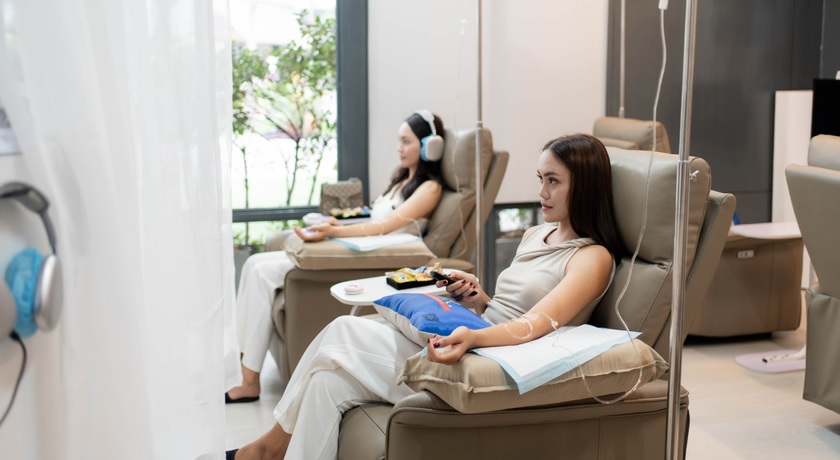
Travel and heat take a toll on your body. Long flights, busy days, and warm weather leave many people tired, dehydrated, and low on energy. In Thailand, where humidity runs high and days can stretch long, recovery matters. An IV lounge in Patong offers one way to help your body reset and feel steady again.
Patong sits on the west coast of Phuket. It draws visitors from across the globe, and the pace here can wear you down. Late nights, sun exposure, and physical activity drain your fluids and minerals fast. Many wellness spaces now offer intravenous drips that deliver hydration and nutrients directly into the bloodstream. A visit to an IV lounge in Patong gives your system fast support when food and water alone fall short.
Intravenous therapy is not new. Hospitals have used it for decades. What has changed is access. Today, a well-run IV lounge in Patong makes this care available in a calm, comfortable setting. Trained staff assess your needs, check your health, and then set up a drip suited to you. The process is simple, and sessions usually last between thirty and sixty minutes.
What IV Therapy Can Support
People choose IV drips for many reasons. Some want to recover after a long trip. Others feel run down after a night out. Athletes use it after training in the heat. Common blends include:
- Hydration fluids to restore water and electrolytes
- Vitamin C to support the immune system
- B vitamins to help energy levels
- Minerals such as magnesium and zinc
Each blend targets a specific need. Staff will guide you toward the right choice based on how you feel and what your body lacks.
Why It Suits the Thai Climate
Thailand’s tropical weather makes hydration a daily concern. You lose fluids quickly through sweat, and by the time you feel thirsty, you may already be behind. Tourists often forget to drink enough while exploring temples, beaches, and markets. Locals face the same strain during long working hours outdoors.
IV therapy addresses this directly. Because the fluids enter your bloodstream, your body absorbs them at once. There is no waiting for digestion. This speed makes the treatment useful after heavy heat exposure or physical strain.
What to Expect During a Visit
A typical session starts with a short consultation. Staff review your health and ask about any conditions or medications. They then insert a small needle, usually in the arm, and start the drip. You can rest, read, or simply relax while the fluids flow.
Most people feel little discomfort. After the session, staff remove the needle and share simple advice on food and water. Good facilities keep clean standards and use qualified medical staff. Always check that a licensed professional oversees your treatment.
A Simple Step Toward Recovery
Rest, water, and good food remain the foundation of wellness. IV therapy adds another layer of support when your body needs a quick lift. In a place as active as Patong, that extra help can make your time here more comfortable and your days more enjoyable.
-

 Health News & Research3 years ago
Understanding Medical Breakthroughs Explained Simply
-

 Men's Health2 years ago
The Benefits of Understanding Heart Risk Factors: Real Results for Long-Term Health
-

 Fitness & Exercise2 years ago
Advanced Strategies for Beginner Workouts to Add to Your Routine
-

 Health & Wellness2 years ago
Common Myths About Preventive Care That Save Time
-

 Nutrition & Diet1 year ago
Common Myths About Plant-Based Eating That Actually Work
-

 Women's Health1 year ago
The Science Behind Bone Health That Actually Works
-

 Health News & Research2 years ago
Common Myths About Research Ethics to Try This Year
-

 Men's Health2 years ago
Common Myths About Testosterone Levels, Backed by Science